English
 繁体中文
繁体中文 Deutsch

Private label laundry products are household cleaning and fabric care products manufactured by one company and sold under another company’s brand name. For brands, retailers, wholesalers, supermarkets, e-commerce sellers, and distributors, private labeling is one of the fastest ways to enter the laundry care market without building a factory, hiring a full formulation team, or investing heavily in production equipment.
In the laundry category, private label products can include liquid laundry detergent, laundry pods, laundry powder, fabric softener, scent boosters, stain removers, laundry sheets, color care products, baby laundry detergent, hypoallergenic laundry detergent, and eco-friendly laundry solutions. A professional private label laundry products manufacturer can help a brand develop formulas, customize fragrance, design packaging, produce bulk orders, provide samples, support quality control, and prepare export documents.
This complete guide explains what private label laundry products are, how the model works, what can be customized, which product types are available, what buyers should evaluate, and how to choose the right manufacturing partner for long-term brand growth.
What Are Private Label Laundry Products?
Private label laundry products are laundry care products produced by a manufacturer but branded, marketed, and sold by another company. The brand owner usually controls the brand name, logo, packaging style, market positioning, and sales channels, while the manufacturer handles product development, production, filling, packaging, and sometimes testing or export support.
For example, a supermarket may sell liquid laundry detergent under its own store brand. An Amazon seller may launch laundry pods under a unique brand name. A distributor may create an exclusive line of eco-friendly laundry products for hotels, laundromats, or retail stores. In each case, the product may be manufactured by a specialized detergent factory, but the final product appears to consumers as the buyer’s own brand.
In simple terms, private label laundry products allow businesses to sell professionally manufactured laundry products without owning the entire production infrastructure. This model helps brands reduce startup complexity, shorten product launch timelines, and focus on marketing, distribution, and customer relationships.
Simple Definition
A private label laundry product is a detergent, pod, softener, or fabric care product manufactured by a supplier and sold under your own brand name.
Common Examples
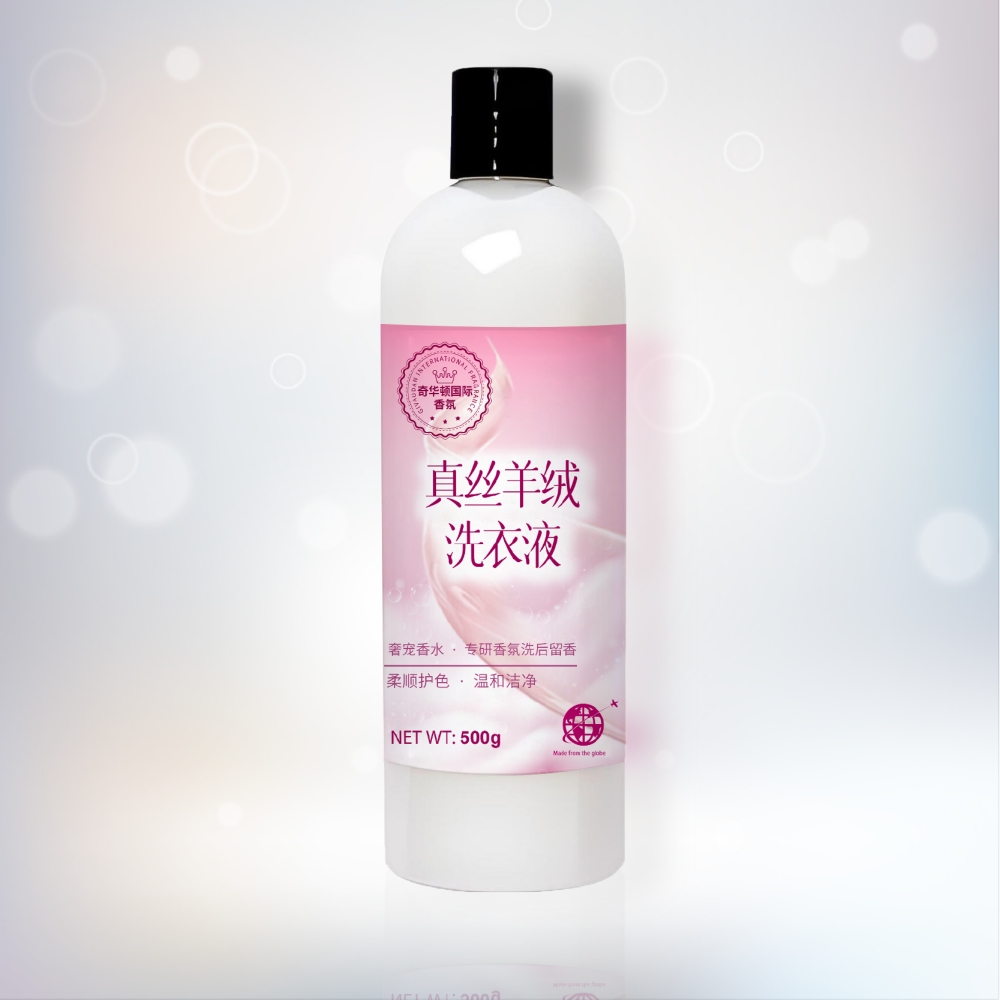
Liquid laundry detergent with your own logo
Laundry pods packed in your custom pouch or tub
Eco-friendly laundry detergent for a green home care brand
Baby laundry detergent for sensitive skin
Fabric softener with a custom fragrance
Stain remover spray for retail or e-commerce sales
Commercial laundry detergent for hotels or laundromats
How Does Private Label Laundry Manufacturing Work?
Private label laundry manufacturing usually starts with a brand idea. The buyer decides what type of product they want to sell, who the target customers are, which market they want to enter, and what price level they want to achieve. Then the buyer works with a laundry products manufacturer to select or develop a formula, choose packaging, confirm samples, finalize labels, and place a bulk order.
Depending on the supplier’s capabilities, private label manufacturing can be very simple or highly customized. Some buyers use an existing formula and simply add their logo. Other buyers request a unique formula, exclusive scent, special bottle shape, custom color, concentrated formula, plant-based ingredients, or premium packaging.
Typical Private Label Workflow
1. Product Planning | Define product type, target market, price range, and positioning. | Provide market goals and brand direction. | Recommend suitable product options. |
2. Formula Selection | Choose standard formula or request custom development. | Confirm cleaning performance, claims, and fragrance direction. | Provide formula samples and technical suggestions. |
3. Packaging Design | Select bottle, pouch, tub, cap, label, carton, and logo placement. | Provide logo, label artwork, and brand requirements. | Offer packaging options and printing support. |
4. Sample Testing | Samples are produced for review and performance testing. | Test product, fragrance, viscosity, packaging, and user experience. | Adjust formula or packaging if needed. |
5. Bulk Production | Final formula and packaging are produced at scale. | Approve order details and production schedule. | Manufacture, fill, pack, and inspect the products. |
6. Shipping | Finished goods are shipped domestically or internationally. | Arrange import, customs, or distribution if required. | Provide export documents and shipment support. |
Private Label vs White Label vs OEM vs ODM
Many buyers use the terms private label, white label, OEM, and ODM interchangeably, but they are not exactly the same. Understanding the difference helps you communicate clearly with manufacturers and choose the right cooperation model.
Comparison Table
Private Label | A manufacturer produces products that are sold under your brand. | Medium to high | Brands that want ownership of packaging, positioning, and sales channels. |
White Label | A ready-made product is sold to multiple buyers with different labels. | Low to medium | Fast launches, small brands, and simple product lines. |
OEM | The manufacturer produces according to your formula, design, or specifications. | High | Established brands with specific product requirements. |
ODM | The manufacturer develops product design or formula and produces it for your brand. | Medium to high | Brands that need product development support from the factory. |
For laundry products, a private label project may include white label elements, OEM elements, or ODM elements. For example, a buyer may start with an existing liquid detergent formula, request a custom fragrance, and use their own bottle design. This would be a private label project with partial customization.
What Laundry Products Can Be Private Labeled?
The laundry care category is broad, which gives brands many opportunities to build a complete product line. A private label laundry products manufacturer may support one or many of the following product types.
Liquid Laundry Detergent
Liquid laundry detergent is one of the most popular private label laundry products. It is familiar to consumers, suitable for multiple washing machines, and easy to customize in terms of fragrance, color, viscosity, concentration, bottle size, and positioning. Brands can develop regular, concentrated, eco-friendly, baby-safe, color-protecting, or antibacterial versions.
Laundry Pods
Laundry pods are pre-measured detergent capsules designed for convenience. They are popular with consumers who want simple dosing and less mess. Private label laundry pods can be customized by formula, fragrance, pod size, film appearance, packaging format, and product claims. Because laundry pods involve special safety and packaging considerations, brands should choose an experienced manufacturer.
Laundry Powder
Laundry powder remains important in many markets because it is cost-effective, stable, and suitable for large-volume consumption. It can be positioned for household use, commercial laundry, institutional cleaning, or value retail channels.
Fabric Softener
Fabric softener helps improve fabric feel, reduce static, and add fragrance. It is often sold together with laundry detergent as part of a complete fabric care system. Fragrance design is especially important for this product category.
Stain Removers
Stain removers can be offered as sprays, gels, liquids, or pre-treatment products. They are useful add-on products for brands that want to increase basket size and offer targeted cleaning solutions.
Laundry Sheets
Laundry sheets are lightweight, compact, and often promoted as eco-conscious or travel-friendly alternatives to traditional liquid detergents. They may appeal to e-commerce brands because they are easier to ship than heavy liquid products.
Product Type Comparison
Liquid Laundry Detergent | High consumer familiarity and broad demand | Formula, fragrance, color, bottle, label | Retail, supermarket, wholesale, e-commerce |
Laundry Pods | Convenient dosing and premium positioning | Formula, scent, pod size, pouch, tub | E-commerce, retail, subscription brands |
Laundry Powder | Cost-effective and stable | Fragrance, active content, bag size | Wholesale, emerging markets, commercial use |
Fabric Softener | Improves softness and scent experience | Fragrance, color, viscosity, bottle | Retail, supermarkets, bundle sales |
Stain Remover | Solves specific cleaning problems | Spray, gel, liquid, formula strength | Retail, online stores, household care brands |
Laundry Sheets | Lightweight and easy to ship | Sheet size, fragrance, packaging | E-commerce, travel, eco-positioned brands |
What Can Be Customized in Private Label Laundry Products?
One of the biggest advantages of private label laundry products is customization. Customization helps your brand stand out from generic detergents and compete with national brands. The exact customization options depend on the manufacturer’s capabilities, MOQ, formulation resources, packaging supply chain, and testing process.
Formula Customization
Formula customization allows you to adjust cleaning strength, concentration, foam level, enzyme system, surfactant system, fabric care performance, color protection, antibacterial features, biodegradability, and skin-friendly properties. A brand may choose a standard formula for speed or request a unique formula for differentiation.
Fragrance Customization
Fragrance is one of the most important purchase drivers in laundry products. Brands can choose fresh, floral, fruity, herbal, baby, ocean, lavender, citrus, unscented, or premium perfume-inspired directions. For sensitive skin or hypoallergenic positioning, fragrance-free formulas may be preferred.
Packaging Customization
Packaging communicates your brand positioning before the customer even uses the product. Common packaging options include HDPE bottles, PET bottles, refill pouches, stand-up pouches, tubs, jars, cartons, sachets, and bulk containers. Packaging can also be optimized for e-commerce shipping, retail shelf display, or commercial use.
Label and Branding Customization
You can usually apply your own logo, product name, label artwork, color system, instructions, claims, barcode, QR code, and multilingual text. For international markets, labels should be reviewed carefully to match local regulations and avoid unsupported claims.
Customization Checklist
Formula | Concentrated, eco-friendly, enzyme-based, baby-safe, antibacterial, color care | Defines performance and market positioning |
Fragrance | Lavender, ocean, citrus, floral, unscented, custom scent | Influences repeat purchases and brand memory |
Color | Clear, blue, green, pink, white, natural tone | Supports visual identity and product perception |
Packaging | Bottle, pouch, tub, sachet, carton, bulk drum | Affects shelf impact, shipping cost, and user experience |
Label | Logo, product claims, usage instructions, barcode, language | Supports compliance, branding, and retail readiness |
Who Should Use Private Label Laundry Products?
Private label laundry products are suitable for many types of businesses. The model is especially useful for companies that already have customers or sales channels but do not own manufacturing facilities.
Retailers and Supermarkets
Retailers can use private label laundry products to increase margins, build customer loyalty, and offer alternatives to national brands. Store-brand detergents are often positioned as good-quality products at competitive prices.
E-commerce Sellers
Amazon sellers, Shopify brands, TikTok Shop sellers, and subscription brands can use private label laundry products to create differentiated home care products. For e-commerce, packaging durability, shipping weight, product reviews, and visual branding are especially important.
Wholesalers and Distributors
Distributors can create private label laundry products for local markets, hotels, laundromats, cleaning companies, and institutional buyers. A strong private label line can reduce dependency on third-party brands and improve pricing control.
Importers and Regional Brands
Importers may work with overseas detergent manufacturers to develop exclusive laundry products for their domestic markets. In this case, documentation, shipping experience, packaging strength, and compliance support are critical.
Startups and Niche Brands
Startups can target specific niches such as eco-friendly laundry detergent, fragrance-free detergent, baby laundry detergent, luxury scented fabric care, or pet-friendly laundry products. Private label manufacturing allows startups to test the market before investing in their own factory.
Benefits of Private Label Laundry Products
Private label laundry products offer both strategic and operational advantages. For many brands, they provide a practical path to enter a large and recurring-consumption category.
1. Faster Market Entry
Developing a laundry product from scratch can be time-consuming. With a private label manufacturer, you can use existing production capacity, formulation experience, packaging resources, and quality control systems. This helps you launch products faster.
2. Lower Initial Investment
Building a detergent factory requires large investments in equipment, filling lines, raw material storage, production management, quality testing, and compliance systems. Private label manufacturing allows brands to avoid these fixed costs and focus capital on branding, marketing, and distribution.
3. Brand Ownership
Unlike reselling other companies’ products, private labeling gives you control over your own brand identity. You can design the packaging, define the positioning, choose your product claims, and build long-term customer loyalty under your own name.
4. Product Differentiation
A strong manufacturer can help you create unique selling points, such as concentrated formulas, premium fragrances, plant-based ingredients, hypoallergenic positioning, low-suds HE compatibility, or eco-friendly packaging.
5. Better Margin Potential
Private label products can offer better margin potential than simple resale because the brand owner controls pricing, packaging, channel strategy, and product positioning. Actual margins depend on formula cost, packaging cost, logistics, marketing, retail price, and channel fees.
6. Scalable Product Line
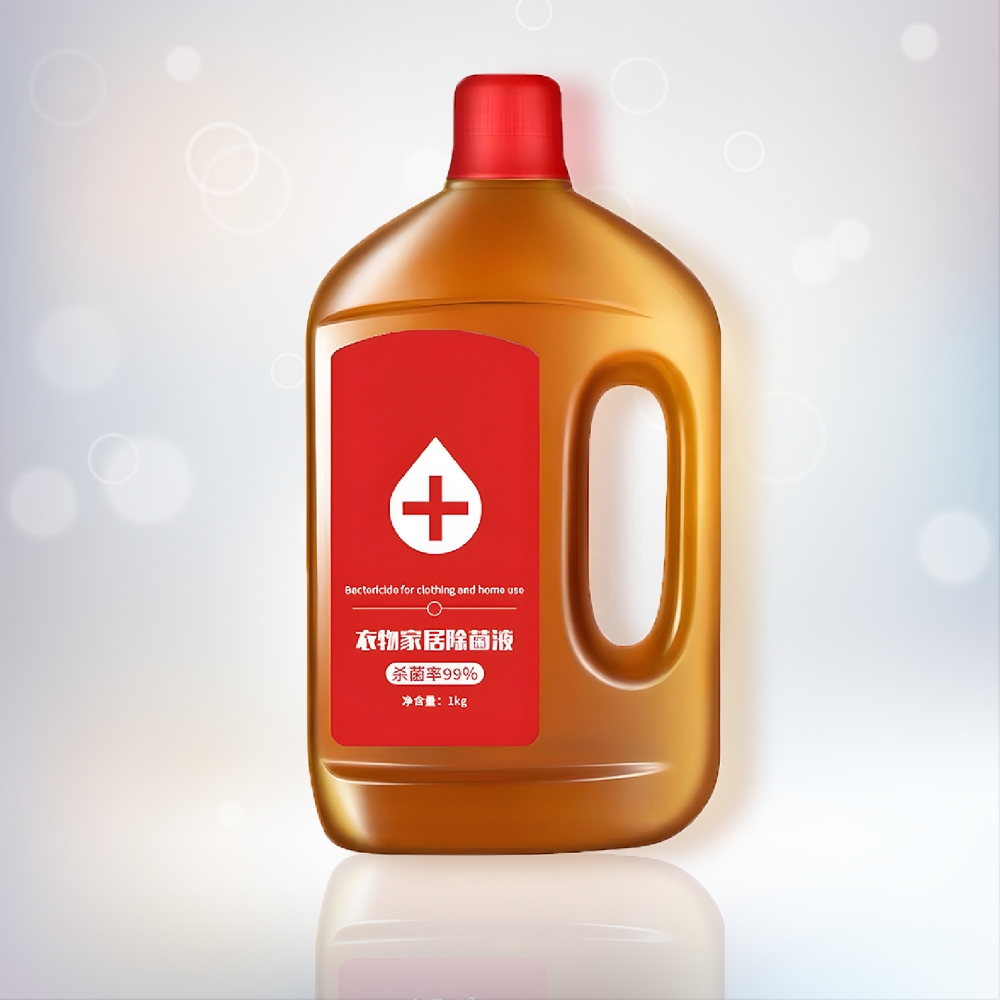
Once your first product succeeds, you can expand into related products such as fabric softener, stain remover, laundry pods, dishwashing liquid, household cleaners, and disinfectant products.
Common Challenges and How to Avoid Them
Private label laundry products can be highly profitable and scalable, but buyers should also understand the common risks. Many problems can be avoided by working with an experienced manufacturer and confirming details before production.
Challenge 1: Choosing the Wrong Formula
A formula that works in one market may not be ideal for another. Water hardness, washing habits, machine types, fabric types, consumer fragrance preferences, and price expectations can all affect product performance. Buyers should request samples and test the product in realistic conditions.
Challenge 2: Poor Packaging Quality
Laundry products are often heavy, liquid, or sensitive to leakage. Weak bottles, poor caps, thin pouches, or low-quality cartons can cause shipping damage and customer complaints. Packaging should be tested for leakage, drop resistance, sealing quality, and transport durability.
Challenge 3: Unsupported Product Claims
Claims such as “antibacterial,” “hypoallergenic,” “biodegradable,” “eco-friendly,” “baby-safe,” or “kills germs” may require evidence, testing, or regulatory review depending on the market. Brands should avoid making claims that cannot be supported.
Challenge 4: Unclear MOQ and Cost Structure
MOQ can vary depending on formula, packaging, label printing, bottle mold, fragrance, and raw material sourcing. Buyers should ask for a clear quotation that separates product cost, packaging cost, sample cost, printing cost, mold cost, and shipping terms.
Challenge 5: Lack of Quality Control
Laundry products should be checked for appearance, odor, viscosity, pH, active content, stability, packaging seal, net weight, and batch consistency. A reliable manufacturer should have documented quality control procedures.
Quality, Safety, and Compliance Considerations
Laundry products are used in close contact with clothing, bedding, towels, baby garments, and household textiles. Therefore, brands must take quality and safety seriously. Requirements differ by country and product type, but there are several common areas buyers should consider.
Safety Data Sheet
Many chemical products require a Safety Data Sheet, often called an SDS. An SDS provides information about hazards, handling, storage, first aid, composition, transport, and other safety considerations. For international B2B trade, buyers often request SDS documents from the manufacturer before shipping or customs clearance.
Labeling
Laundry product labels should include clear product name, usage instructions, precautions, ingredients or ingredient disclosure where required, net content, manufacturer or distributor information, batch number, and country-specific warnings. Requirements vary by market, so brands should check local regulations before printing labels.
Testing
Common tests may include stability testing, pH testing, viscosity testing, cleaning performance testing, microbial testing where relevant, packaging leakage testing, and compatibility testing between formula and packaging. For laundry pods, child safety and packaging considerations are especially important.
Certifications
Certifications can help build trust with buyers and consumers. Depending on your market and positioning, relevant certifications or systems may include ISO quality management systems, eco-labels, cruelty-free claims, vegan claims, safer chemistry programs, or factory audits. Not every product needs every certification, but certifications can support credibility in competitive markets.
How to Choose a Private Label Laundry Products Manufacturer
Choosing the right manufacturer is one of the most important decisions in a private label project. A good manufacturer is not only a production supplier but also a technical, operational, and quality partner.
Key Evaluation Criteria
Manufacturing Experience | Years in detergent and household cleaning production | Experienced factories understand formula stability and production risks. |
R&D Capability | In-house laboratory, formulation team, sample development | Supports custom formulas and product differentiation. |
Product Range | Liquid detergent, pods, softener, stain remover, other cleaners | Helps you expand your product line over time. |
Quality Control | Raw material inspection, in-process checks, final inspection | Reduces quality complaints and batch inconsistency. |
Packaging Support | Bottle, pouch, label, carton, custom design options | Improves branding, shelf appeal, and shipping safety. |
Export Experience | Documents, shipping support, international customer cases | Important for importers and overseas brands. |
MOQ Flexibility | Trial order options and scalable production | Helps new brands start and grow gradually. |
Questions to Ask Before Choosing a Supplier
Do you manufacture laundry products in your own factory?
What types of private label laundry products do you support?
Can you customize formula, fragrance, color, and packaging?
What is your MOQ for each product type?
Can you provide samples before bulk production?
What quality control tests do you perform?
Can you provide SDS, COA, or other documents?
Do you have experience exporting to my market?
What is the normal lead time for sampling and mass production?
Can you support product line expansion in the future?
Step-by-Step Process to Launch Private Label Laundry Products
A successful launch requires more than putting a logo on a detergent bottle. Brands should plan product strategy, formula positioning, packaging, compliance, logistics, and marketing before bulk production.
Step 1: Define Your Target Market
Decide whether you are targeting value consumers, premium households, eco-conscious shoppers, baby care customers, commercial users, hotels, laundromats, or online subscription buyers. Your target market will influence formula strength, fragrance, packaging, price, and claims.
Step 2: Choose Product Type
Start with a product that matches your sales channel. Liquid detergent is suitable for broad retail markets. Laundry pods are convenient and premium. Laundry sheets may work well for e-commerce. Fabric softener is a strong add-on product.
Step 3: Select or Develop a Formula
Choose between an existing formula and a custom formula. Existing formulas are faster and usually require lower development cost. Custom formulas provide stronger differentiation but may require more time, testing, and MOQ.
Step 4: Design Packaging and Label
Packaging should match your brand positioning and sales channel. For retail, shelf impact matters. For e-commerce, leak resistance and shipping durability matter. For commercial use, cost per wash and bulk handling matter.
Step 5: Request Samples
Test samples for cleaning performance, fragrance, foam, rinsing, fabric feel, packaging convenience, and customer experience. If possible, test under real washing conditions in your target market.
Step 6: Confirm Cost, MOQ, and Lead Time
Ask for a detailed quotation and clarify what is included. Confirm unit price, packaging cost, printing cost, sample cost, mold cost, lead time, payment terms, shipping terms, and after-sales support.
Step 7: Begin Bulk Production
After approving samples and packaging artwork, the manufacturer can begin production. During this stage, quality checks should be performed on raw materials, semi-finished products, filling accuracy, packaging seal, and finished goods.
Step 8: Launch and Collect Feedback
After launch, collect customer reviews and sales data. Feedback on fragrance, cleaning performance, packaging convenience, and price can help improve future batches and expand the product line.
FAQ About Private Label Laundry Products
1. What are private label laundry products?
Private label laundry products are detergents, pods, softeners, stain removers, or other fabric care products manufactured by a supplier and sold under your own brand name.
2. Can I create my own laundry detergent brand?
Yes. You can work with a private label laundry detergent manufacturer to choose a formula, customize packaging, apply your logo, and produce finished products under your brand.
3. What laundry products can be private labeled?
Common options include liquid laundry detergent, laundry pods, laundry powder, fabric softener, stain remover, laundry sheets, baby detergent, eco-friendly detergent, and commercial laundry products.
4. Can I customize the formula?
Yes. Many manufacturers support formula customization, including concentrated formulas, low-suds formulas, enzyme formulas, plant-based formulas, fragrance-free formulas, and formulas for sensitive skin.
5. Can I use my own logo and packaging?
Yes. Private label projects usually allow you to use your own logo, product name, label design, color system, and packaging format.
6. What is the MOQ for private label laundry products?
MOQ depends on product type, formula, packaging, label printing, and customization level. Standard formulas and standard packaging usually have lower MOQ than fully customized products.
7. How long does it take to launch private label laundry products?
The timeline depends on sample development, packaging design, label approval, raw material preparation, production schedule, and shipping. A simple project can be faster, while custom formulas and packaging require more time.
8. Are private label laundry products profitable?
They can be profitable if the brand has a clear market position, reliable manufacturer, competitive cost structure, strong packaging, and effective sales channels. Profitability depends on pricing, marketing cost, logistics, and customer retention.
9. Do private label laundry products need testing?
Yes. Testing helps confirm cleaning performance, stability, pH, viscosity, fragrance stability, packaging leakage resistance, and batch consistency. Some claims may require additional testing.
10. How do I choose the right manufacturer?
Look for a manufacturer with detergent production experience, R&D capability, quality control systems, packaging support, export experience, transparent communication, and the ability to scale with your brand.
Conclusion: Private Label Laundry Products Help Brands Enter a High-Demand Category
Private label laundry products offer a practical path for brands that want to enter the household care market without building their own manufacturing facility. Whether you want to launch liquid laundry detergent, laundry pods, fabric softener, stain remover, or eco-friendly laundry products, private label manufacturing allows you to combine professional production with your own branding and market strategy.
The key to success is choosing the right product positioning, testing formulas carefully, investing in strong packaging, and working with a reliable manufacturer that can support quality control, customization, documentation, and long-term product expansion.
If you are planning to create your own laundry product line, start by defining your target market, choosing your product type, requesting samples, and discussing formula and packaging options with an experienced private label laundry products manufacturer.
Looking for a Private Label Laundry Products Manufacturer?
If you want to develop laundry detergent, laundry pods, fabric softener, stain remover, or other fabric care products under your own brand, working with an experienced manufacturer can help you reduce risk and speed up your launch.
Contact us to discuss your private label laundry products project, including formula customization, fragrance selection, packaging design, MOQ, samples, production schedule, and export support.